
n today’s digital landscape, businesses must find innovative ways to reach their target audience and remain competitive. One of the most effective methods for achieving this is social media marketing. With billions of active users across various social platforms, social media has become a powerful tool for brand promotion and customer engagement.
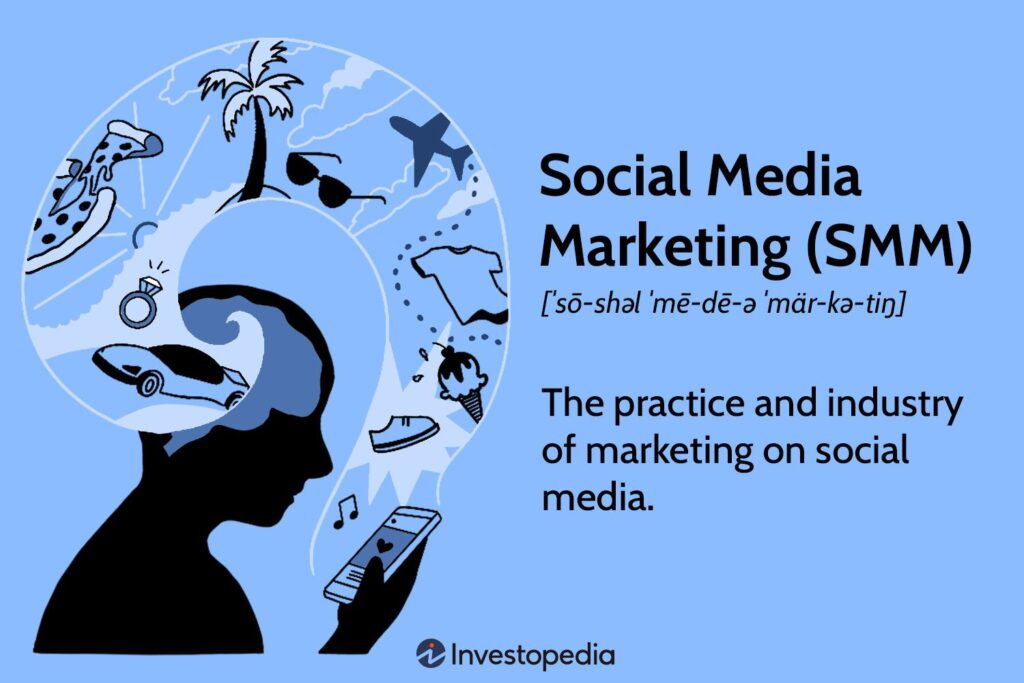
Social media marketing refers to the process of promoting products, services, or brands through social media platforms. It involves creating and sharing content that encourages users to interact with a brand and learn more about its offerings.
One of the primary reasons social media marketing is essential is the massive audience available on these platforms. Platforms such as Facebook, Instagram, LinkedIn, and Twitter allow businesses to connect with people from different locations, interests, and demographics.
Another advantage is the ability to interact directly with customers. Businesses can respond to comments, answer questions, and provide customer support in real time. This level of communication helps create trust and strengthens relationships with customers.
Social media also allows businesses to showcase their brand personality. By sharing behind-the-scenes content, stories, and engaging posts, companies can create a more relatable and human image for their audience.
Moreover, social media marketing is highly cost-effective. Unlike traditional advertising methods that often require a large budget, social media platforms provide flexible advertising options suitable for businesses of all sizes.
Consistency plays a crucial role in social media marketing success. Posting regularly keeps the audience engaged and ensures that the brand remains visible in users’ feeds. Businesses that maintain active social media profiles are more likely to attract followers and build loyal communities.
Conclusion
Social media marketing has transformed the way businesses connect with their audience. It offers a powerful combination of visibility, engagement, and cost-effective promotion. Companies that use social media strategically can strengthen their brand presence and create long-lasting relationships with customers in the digital marketplace.
the Role of Content Strategy in Social Media Marketing
A successful social media marketing campaign is built on a strong content strategy. Simply posting random updates is not enough to attract and retain an audience. Businesses must carefully plan the type of content they share and how often they post it.
A content strategy helps businesses organize their ideas and ensure that their social media posts align with their marketing goals. This strategy typically includes identifying the target audience, selecting appropriate platforms, and determining the type of content that will provide value to followers.
High-quality content is the foundation of any effective social media strategy. Businesses should focus on sharing information that educates, entertains, or inspires their audience. Informative articles, helpful tips, engaging videos, and attractive visuals are all examples of content that can capture users’ attention.
Consistency is another important aspect of a successful content strategy. Posting regularly helps maintain audience interest and improves the chances of appearing in social media feeds. Many businesses create content calendars to plan their posts in advance and maintain a consistent schedule.
Storytelling is also an important part of social media content. When brands share stories about their journey, achievements, or customer experiences, they create emotional connections with their audience.
Another key factor is analyzing performance. Businesses should track how their content performs by monitoring likes, comments, shares, and reach. These insights help marketers understand what type of content resonates most with their audience.
By using this information, businesses can refine their strategy and focus on the content that generates the best results.
Conclusion
A well-planned content strategy is essential for effective social media marketing. By creating valuable content, maintaining consistency, and analyzing performance, businesses can strengthen their online presence and build stronger connections with their audience.
How Social Media Marketing Helps Build Brand Loyalty
Brand loyalty is a key factor that determines the long-term success of any business. Customers who trust a brand are more likely to return for future purchases and recommend the brand to others. Social media marketing plays an important role in building this loyalty.
Through social media platforms, businesses can communicate directly with their audience and create meaningful relationships. Regular interaction helps customers feel connected to the brand and encourages them to remain loyal.
One effective way to build loyalty is by sharing valuable content. When businesses consistently provide useful tips, helpful information, or entertaining posts, followers begin to see the brand as a reliable source of value.
Customer engagement is another important factor. Replying to comments, acknowledging feedback, and thanking customers for their support creates a positive experience for followers.
User-generated content also contributes to brand loyalty. When customers share photos, reviews, or testimonials about a brand, it increases credibility and encourages others to trust the company.
Additionally, social media allows businesses to reward loyal customers through contests, giveaways, and exclusive promotions. These activities make followers feel appreciated and strengthen their connection with the brand.
Consistency in branding also plays a role in building loyalty. When businesses maintain a consistent tone, message, and visual style, they become more recognizable and memorable.
Conclusion
Social media marketing is a powerful tool for building brand loyalty. By engaging with followers, sharing valuable content, and creating positive experiences, businesses can develop strong relationships with their audience and encourage long-term customer loyalty.
The Impact of Social Media Marketing on Online Visibility
Online visibility is essential for businesses that want to succeed in the digital world. Social media marketing significantly contributes to increasing a brand’s visibility and helping it reach a broader audience.
When businesses actively post on social media platforms, their content becomes visible to followers and potential customers. Each post, comment, or share increases the likelihood that more people will discover the brand.
One of the biggest advantages of social media marketing is the speed at which information spreads. If a post resonates with users, it can quickly gain traction through likes, comments, and shares. This viral potential can dramatically increase a brand’s exposure.
Social media platforms also support multimedia content such as videos, images, and live streams. These formats often attract more attention than text alone and encourage higher levels of engagement.
Hashtags and trending topics also help increase visibility. By participating in trending discussions, businesses can reach audiences who may not have previously heard of their brand.
Another factor that contributes to online visibility is collaboration. Businesses often collaborate with influencers or other brands to expand their reach and introduce their products to new audiences.
Conclusion
Social media marketing plays a vital role in improving online visibility. Through consistent posting, engaging content, and strategic participation in online conversations, businesses can reach larger audiences and strengthen their digital presence.
The Future of Social Media Marketing in the Digital Era
As technology continues to evolve, social media marketing is also undergoing significant changes. Businesses must stay updated with these trends in order to remain competitive and effective in their marketing strategies.
One major trend shaping the future of social media marketing is video content. Short-form videos, live streams, and interactive video posts are becoming increasingly popular among users. These formats allow brands to communicate messages quickly and creatively.
Another emerging trend is influencer marketing. Many businesses collaborate with social media influencers who already have established audiences. Influencers can promote products in a more personal and authentic way, which often leads to higher engagement.
Artificial intelligence is also playing a growing role in social media marketing. AI tools help businesses analyze audience behavior, schedule posts, and personalize marketing campaigns.
Additionally, social commerce is becoming more popular. Many social media platforms now allow users to purchase products directly within the platform, making the shopping experience more convenient.
Despite these advancements, the core principles of social media marketing remain the same: creating valuable content, engaging with audiences, and maintaining authenticity.
Businesses that adapt to new technologies while maintaining strong relationships with their audience will continue to thrive in the evolving digital environment.
Conclusion
The future of social media marketing is filled with opportunities for businesses that are willing to innovate and adapt. By embracing new trends and technologies while focusing on meaningful engagement, companies can continue to grow their online presence and achieve long-term success.